

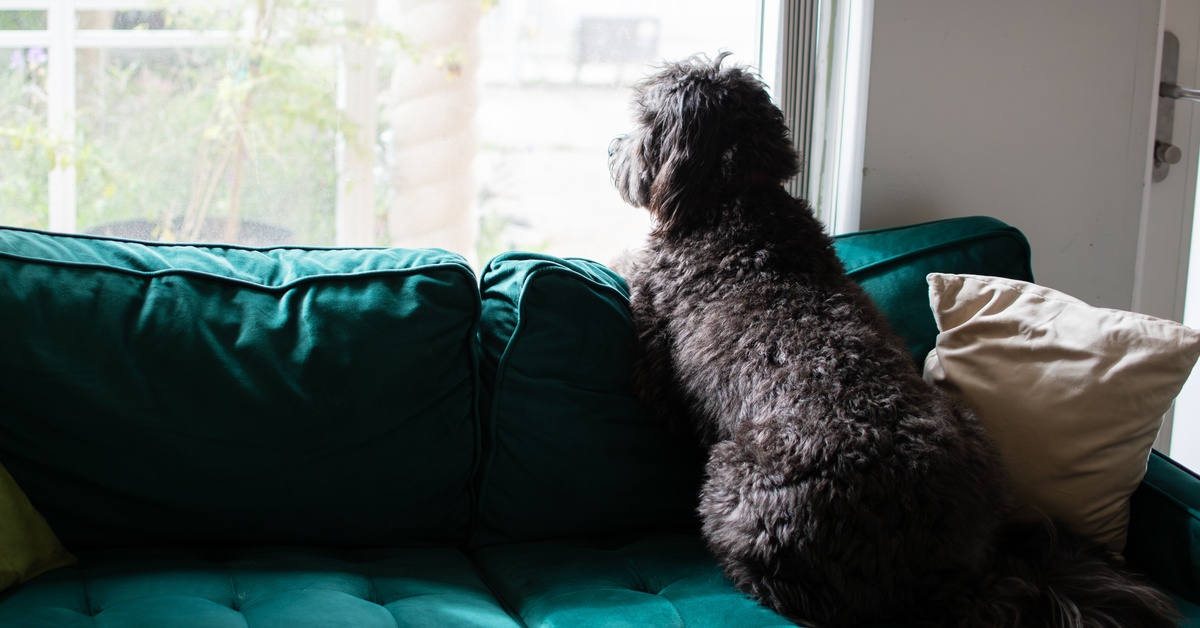
You’ve just returned from a trip, and the reunion with your dog is everything you imagined. There are happy tail wags, excited whimpers, and plenty of welcome-home licks. But you soon realize something is off. Your usually independent pup is now your shadow, following you from room to room, whining when you leave their sight, and maybe even acting out in ways they haven’t since they were a puppy.
What you might be observing are signs of separation anxiety. Some dogs have this condition their whole lives due to breed dispositions, while others develop it after certain events. Being boarded and spending a significant amount of time away from you can be such an event. This guide will walk you through why dogs can develop separation anxiety after boarding and how to handle it.
What Is Separation Anxiety?
Separation anxiety is a distress response that occurs when a dog is separated from their primary attachment figure—you. A dog with separation anxiety isn’t being bad or disobedient; they are feeling overwhelmed by the fear of being alone. This condition manifests as a collection of behaviors that occur exclusively in your absence or when they perceive you are about to leave.
Common Signs of the Condition
Your dog may be experiencing separation anxiety if you notice a cluster of the following behaviors:
- Excessive vocalization: Constant barking, howling, or whining that begins as soon as you leave.
- Destructive behavior: Chewing on furniture, destroying household items, scratching at doors and windows, digging at carpets, etc.
- Inappropriate urination or defecation: Having accidents inside the home, a common physiological response to extreme stress.
- Pacing and restlessness: An inability to settle down, often walking in circles or back and forth along a specific path.
- Escape attempts: Frantic efforts to get out of their crate or the house, which can result in self-injury.
- Pre-departure anxiety cues: Shadowing you, trembling, or panting as you get ready to leave.

Why Does Separation Anxiety Occur After Boarding?
Dogs thrive on routine and predictability. Boarding, even at the most wonderful facility, disrupts their entire world. They are in an unfamiliar environment, surrounded by new smells, sounds, and other dogs. And most importantly, they are separated from their family. While many dogs adjust well, some find the experience stressful.
The return home is a huge relief for them. However, this intense relief can inadvertently reinforce the fear of being left again. This mindset creates a hyper-attachment, where your dog feels the need to constantly monitor your whereabouts to prevent another separation.
Helping Your Dog Overcome Post-Boarding Anxiety
If your dog is showing signs of separation anxiety after their last boarding experience, you can help them readjust. The following techniques will help you calm your companion.
Re-establish Routine
The sudden change to your dog’s schedule is partially what triggered their anxiety. Therefore, the first and easiest way to calm them down is to re-establish routine. Return to the regular schedule for feeding, walking, potty breaks, and playtime.
And remember to implement plenty of structured exercise. Typically, a tired dog is a calm dog. Go on long walks, play games of fetch, give them puzzle toys, and take them to obedience training to burn off excess energy and reduce anxiety.
Practice Calm Departures and Arrivals
It’s quite possible that your behavior when leaving and returning impacts your dog’s anxiety levels. Mainly, many people suspect that making a big fuss during these times can heighten a dog’s emotional state.
The general advice is to avoid emotional, drawn-out goodbyes. When it’s time to go, leave quietly without making a big deal of it. This desensitizes them to your departure cues.
Then, when you return home, greet your dog calmly. Ignore any frantic jumping or whining until they have settled down. Once they are calm, you can give them gentle affection. This teaches them that your return is a normal, non-eventful part of the day.
Try Desensitization and Counter-Conditioning
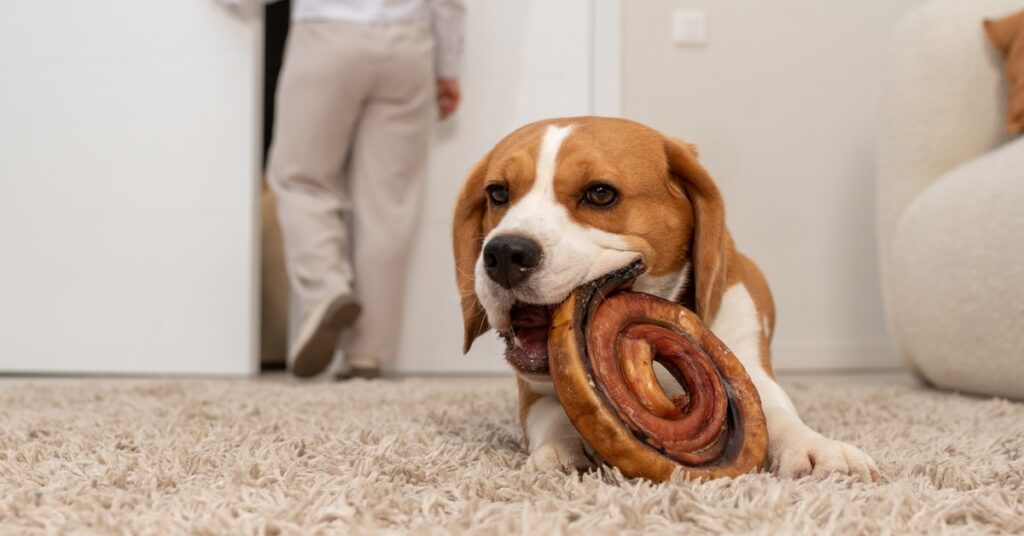
Desensitization and counter-conditioning are two prime techniques for getting your dog to not care about—and even positively associate—your absence.
Desensitization
There are a few ways to practice desensitization. One is to seem like you’re about to leave when you’re not.Pick up your keys, put on your coat, grab your bag, and then sit down to watch TV. Repeat these actions throughout the day without actually leaving. This helps break the association between these cues and your departure, reducing pre-departure anxiety.
Another method is to plan very short absences—so short that your dog doesn’t have time to become anxious. Step out the door for just a few seconds, then immediately return. Gradually increase the duration of your absences over many sessions, always returning before your dog shows signs of distress.
Counter-Conditioning
This method is designed to reprogram your dog’s emotional response to your absence. When you leave, give your dog a high-value, long-lasting treat that they only get when they are alone. This could be a frozen Kong filled with peanut butter, a special puzzle toy, or a long-lasting chew. The goal is for your dog to associate being alone with this amazing treat, changing their emotional response from fear to anticipation.
Know When To Seek Professional Help
Separation anxiety can be a complex and challenging issue to resolve on your own. If you are not seeing progress or if your dog’s anxiety is severe, it is important to consult a professional. A certified dog trainer can create a customized behavior modification plan tailored to your dog’s specific needs. They can provide expert guidance and support to help you and your dog navigate this difficult time.
Final Tip: Choose the Right Boarding Facility for Your Dog
The best way to handle separation anxiety after boarding is to do your best to prevent it from developing in the first place. That starts with choosing the right boarding facility. Boarding your dog with empathetic professionals who understand canine behavior and can help them feel comfortable and safe is paramount. Look for a facility that prioritizes personalized attention, maintains a structured environment, and offers training opportunities.
At Balanced K9 Academy in Huntsville, AL, we specialize in this type of dog boarding and training. We recognize that every dog is an individual and work hard to provide them with the resources they need to feel safe while you’re away. Our team has decades of collective experience, with a particular skill for managing behavioral issues, fear, and aggression. We believe in building trust and clear communication, ensuring that even anxious dogs can have a positive boarding experience. Your peace of mind and your dog’s happiness are our top priorities. If you’re looking for a team that will care for your dog with expertise and compassion, contact us to learn more about our services.