
Fear-based aggression can develop when a dog believes confrontation is the most effective way to create distance from something it considers threatening. Owners sometimes focus on the aggressive response itself, but the behavior often begins with much quieter signals that appear before barking, lunging, or biting.
Recognizing the common warning signs of fear-based aggression in dogs gives owners an opportunity to understand what triggers the response and seek appropriate training before the behavior becomes more established. Learning to read those signals also helps owners respond more deliberately instead of accidentally increasing pressure when their dog is already uncomfortable.
What Fear-Based Aggression Looks Like
A fearful dog may use aggressive behavior when avoidance has failed or does not seem possible. The dog is not necessarily looking for conflict. Instead, it has learned that threatening behavior can make a person, dog, or other perceived threat move away.
That distinction matters because simply stopping a growl does not address why the dog felt the need to growl. Effective behavior modification looks at the entire sequence surrounding the reaction. Trainers consider what happened before the behavior and how the dog responded once the pressure disappeared.
Fear-based aggression can also look different from one dog to another. Some dogs retreat before reacting, while others quickly move forward when they feel threatened. Owners need to evaluate the complete behavior rather than relying on one isolated signal.
Avoidance and Attempts To Create Distance
One of the earliest warning signs is often avoidance. A dog may move behind its owner, turn away from a person, or repeatedly attempt to leave an uncomfortable situation. These actions can indicate that the dog wants more space.
Problems can escalate when the dog cannot get that space. If someone continues approaching or restrains the dog, it may learn that subtle avoidance does not work. A stronger response can follow because barking or snapping may successfully stop the interaction.
Owners should pay attention to the circumstances surrounding avoidance. A dog that consistently backs away from unfamiliar visitors is communicating something important about its comfort level. Repeated patterns can help identify the situations that trigger fear.
A Stiff or Frozen Body
Dogs experiencing fear do not always retreat. Some become extremely still. A sudden freeze can be especially important because people may mistake the lack of movement for calm behavior.
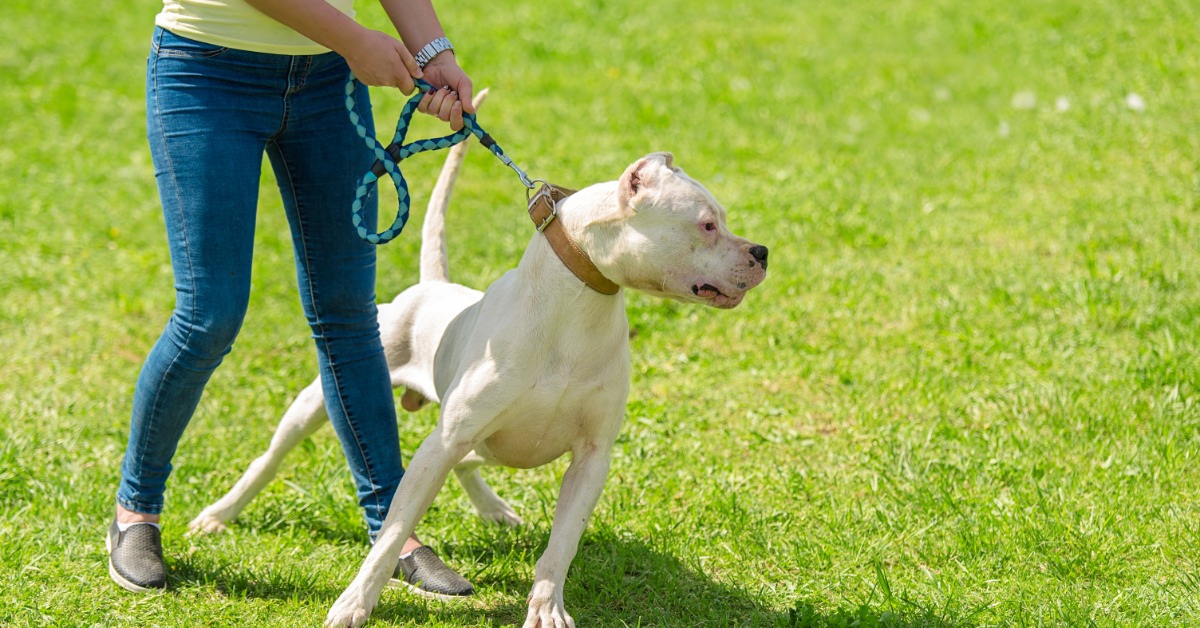
Watch the dog’s overall posture when this happens. Muscles may become tense, and the dog’s weight may shift as it prepares to respond. The dog might also stop engaging with its handler and focus intensely on the perceived threat.
Continuing to pressure a frozen dog can provoke a defensive reaction. Giving commands more forcefully does not automatically resolve the underlying problem. Owners need to recognize when stiffness represents increasing tension rather than obedience.
Changes in Ear and Tail Position
Ear and tail positions can provide additional information about a dog’s emotional state. A fearful dog may pull its ears backward or hold its tail lower than usual. These signals become more meaningful when they appear alongside changes in posture.
Owners should avoid judging fear from tail movement alone. A moving tail does not automatically mean a dog welcomes an interaction. The position of the body and the situation itself provide important context.
Learning a dog’s normal posture makes unusual changes easier to recognize. When several changes consistently occur around the same trigger, owners can begin identifying the circumstances that make the dog uncomfortable.
Growling as a Warning
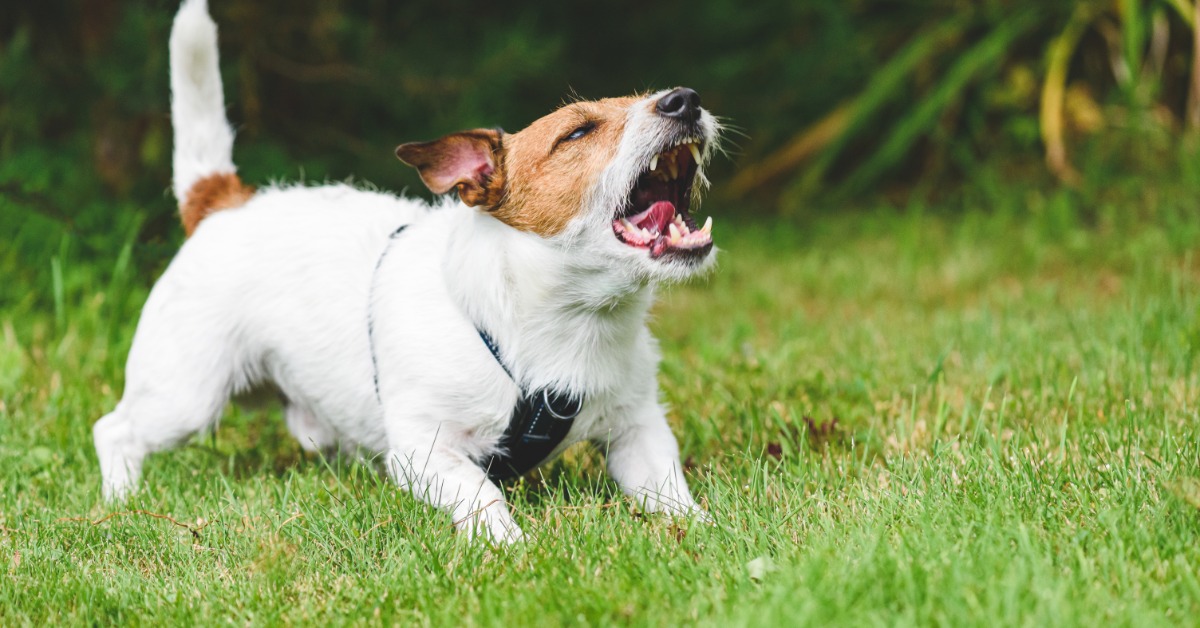
Growling is one of the clearest warnings that a dog wants an interaction to change. Owners sometimes view growling as behavior that should be immediately corrected, but the growl provides valuable information. It tells you that something is testing the dog’s tolerance.
If the warning repeatedly results in the perceived threat moving away, the dog may learn that growling is effective. The behavior can become stronger through repetition. Some dogs may eventually progress to snapping or biting when earlier signals no longer produce the desired distance.
Owners should take growling seriously without panicking. The priority is identifying what triggered it and developing a training plan that changes how the dog responds in that situation.
Barking and Lunging at Perceived Threats
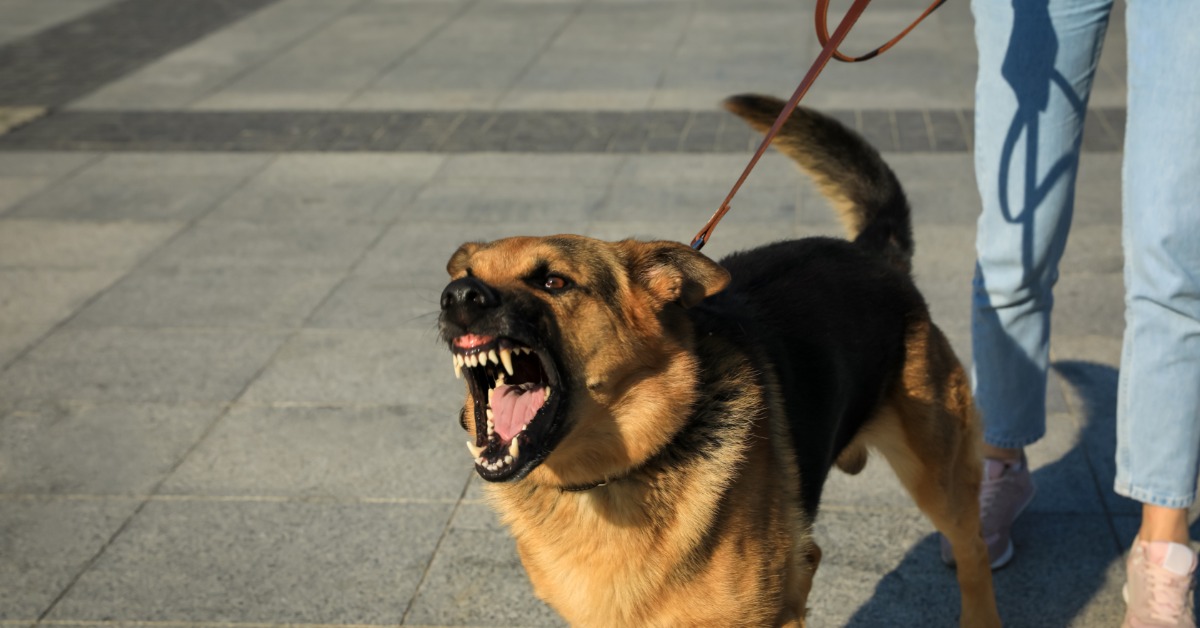
Barking and lunging are more obvious signs because they are difficult to ignore. These reactions commonly appear when a dog feels trapped by a leash, barrier, or limited escape route. The dog may move toward the threat even though fear is driving the behavior.
This can create confusion for owners because forward movement looks confident. Aggressive displays, however, do not necessarily indicate confidence. A frightened dog may learn that rushing forward causes strangers or other dogs to retreat.
Repeated practice can make the reaction increasingly automatic. Behavior modification should therefore address the dog’s response before it reaches full intensity whenever possible.
Snapping or Biting When Pressured
Snapping represents a significant escalation. The dog has moved beyond subtle communication and is using a direct physical warning. A bite may follow if the situation continues or if similar confrontations happen again.
Owners should not intentionally recreate situations that have already produced snapping or biting. Testing whether a dog will react again can place people and animals at unnecessary risk. Management becomes important while a professional evaluates the behavior.
A qualified trainer can examine triggers and the dog’s history to determine how training should proceed. Aggression cases require structure because changing behavior involves more than stopping the visible reaction.
Reactions During Handling
Some dogs show fear-based aggression specifically when someone touches or restrains them. They may react during collar handling, veterinary-style examination, or other close physical interactions. The pattern often becomes clearer when the same type of handling repeatedly produces tension.
Owners may accidentally increase the dog’s resistance by forcing the interaction after warning signs appear. This does not mean you should simply avoid necessary handling forever. It means the dog needs a structured process for learning appropriate responses.
Training can teach clearer expectations while building reliable communication between dog and handler. The exact approach should account for the dog’s behavior and the circumstances in which reactions occur.
Why Early Recognition Matters
Fear-based aggression rarely improves because owners wait for the dog to outgrow it. When aggressive behavior repeatedly succeeds in ending uncomfortable interactions, the dog has another opportunity to practice that response. Practice can strengthen unwanted patterns.
Early intervention allows training to begin before the behavior becomes more difficult to manage. Owners can learn how to identify triggers and communicate expectations more clearly. They can also prevent unnecessary situations that encourage the dog to rehearse aggressive behavior.
Professional evaluation is especially important when a dog has snapped or bitten. Safety should remain part of the training plan while addressing the underlying behavioral pattern.
Behavior Modification for Fear-Based Aggression
Understanding the common warning signs of fear-based aggression in dogs helps owners recognize that serious reactions often begin before the obvious display of aggression. Paying attention to avoidance, body tension, growling, and other behavioral changes gives owners useful information about when their dog is approaching its limit.
Balanced K-9 Academy offers behavior modification dog training for canines dealing with fear and aggression. We design our personalized training around the individual dog’s behavior and the situations that trigger unwanted responses. Professional guidance can help owners establish clearer communication and work toward more reliable behavior in situations that previously caused fear-based reactions. Contact us now to book an appointment.