

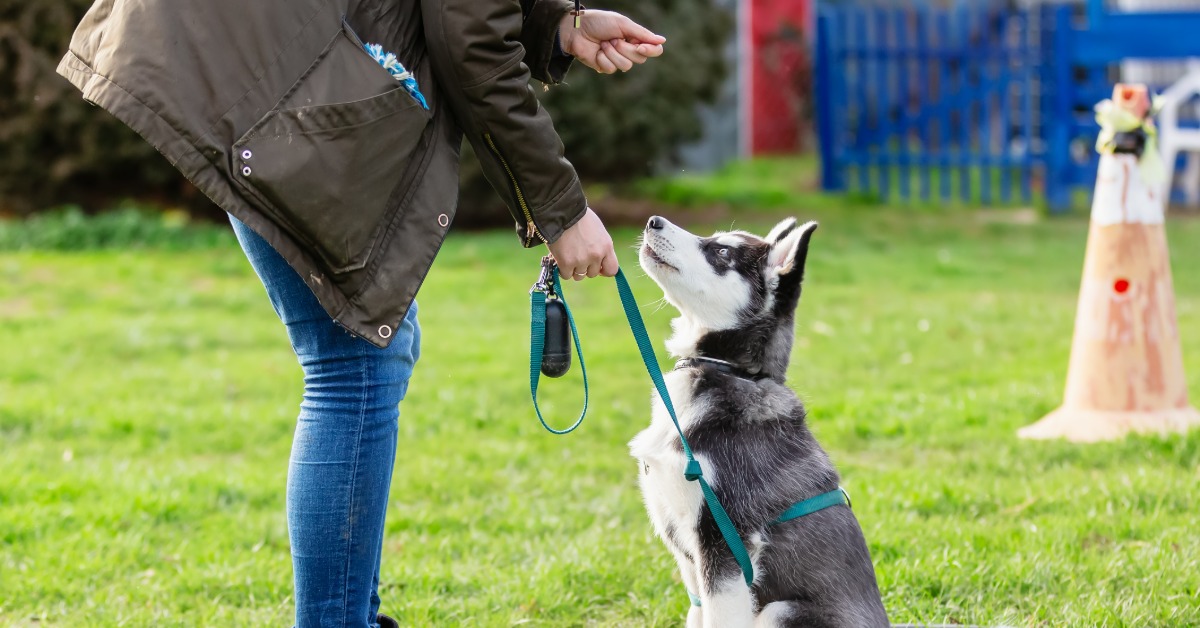
Dog owners often want fast results, but lasting progress depends on consistent practice, clear communication, and realistic expectations. If you have ever wondered how long dog training takes, the answer depends on your dog’s age, temperament, history, daily routine, and your commitment between lessons.
Every dog learns at a different pace, yet steady guidance builds reliable behavior over time. Understanding the training process helps you set achievable goals while creating habits that remain dependable long after formal instruction ends.
Every Dog Learns at a Different Pace
Training follows a process instead of a fixed calendar. Some dogs understand new commands quickly, while others need additional repetition before responding with confidence. Previous experiences also influence progress. A puppy starting with basic obedience faces different challenges than an older rescue adjusting to a new home.
Your own consistency matters just as much as your dog’s natural ability. Dogs learn through repeated practice in everyday situations. When owners reinforce lessons during walks, meals, and quiet time at home, behaviors become stronger and more dependable. Skipping practice often slows improvement because dogs need clear expectations every day.
What Influences Training Time?
Several factors shape the overall timeline. Age plays a role because puppies absorb new routines easily, although they also become distracted more often. Adult dogs frequently show better focus, yet they may need extra work to replace unwanted habits that have developed over many months or years.
Temperament also affects progress. Confident dogs may try new tasks without hesitation, while cautious dogs sometimes require slower introductions before working comfortably. Breed tendencies can influence motivation, although individual personality always deserves greater attention than broad assumptions.
Never overlook your dog’s health. Pain, discomfort, or untreated medical concerns may reduce attention during lessons. Addressing physical issues first allows training sessions to remain productive while helping dogs perform without unnecessary stress.
Building Strong Foundations
Basic obedience creates the framework for every future skill. Teaching reliable responses to commands such as sit, down, stay, and come establishes communication between owner and dog. These lessons also improve safety because dogs learn to respond even when distractions appear nearby.
Strong foundations require patience instead of shortcuts. Trainers gradually increase difficulty by changing locations, introducing moderate distractions, and extending the duration of each behavior. This steady approach helps dogs understand expectations instead of memorizing isolated situations.
Owners should expect occasional setbacks. A dog that performs perfectly inside the house may struggle outside where new sights and sounds compete for attention. Continued practice across different environments strengthens reliability while preventing frustration.
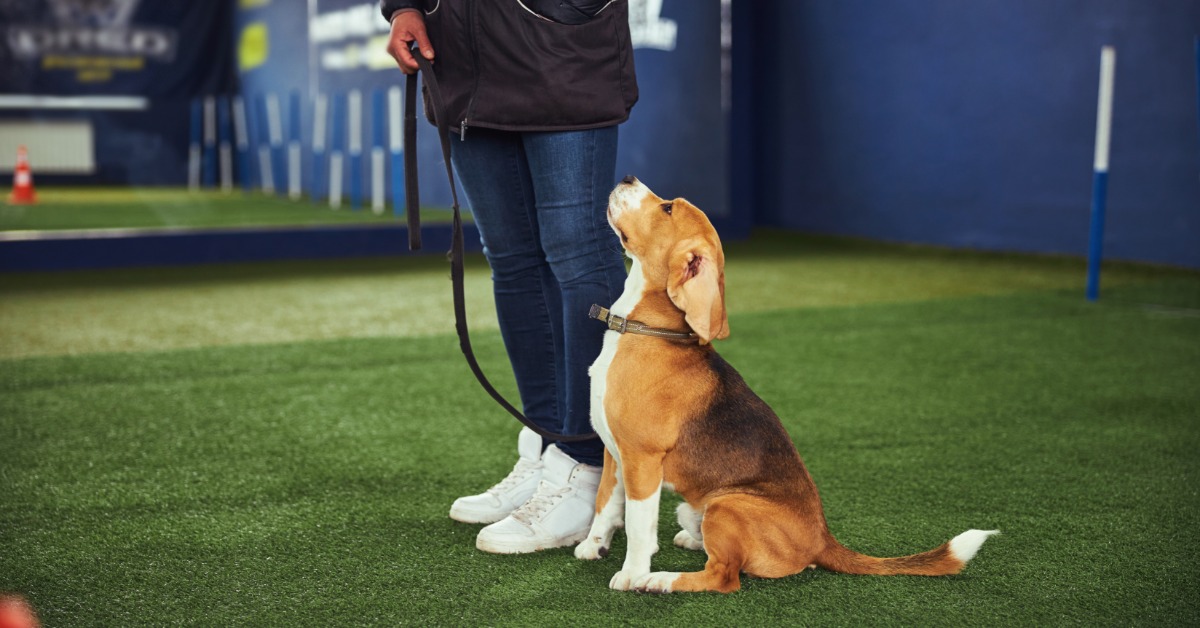
Practice Between Lessons Matters
Professional instruction provides direction, yet daily practice creates lasting results. Short sessions fit naturally into normal routines and keep dogs engaged without overwhelming them. Repeating familiar exercises throughout the day reinforces communication while building confidence through successful experiences.
Consistency from every family member also supports progress. When everyone uses the same commands and expectations, dogs receive clear guidance instead of conflicting messages. Mixed signals often delay improvement because dogs cannot predict which behavior earns success.
Patience remains essential throughout the process. Progress rarely follows a perfectly straight line. Many dogs improve rapidly before reaching temporary plateaus, then advance again after continued repetition strengthens understanding.
Addressing Behavioral Challenges
Behavior modification usually requires more time than teaching basic obedience. Fear, aggression, excessive barking, leash pulling, or reactivity often develop over extended periods. Changing those patterns demands careful planning, structured practice, and experienced guidance rather than quick fixes.
Successful rehabilitation focuses on changing responses through controlled training situations. Dogs gradually learn better choices while owners develop stronger handling skills. Rushing difficult cases frequently creates setbacks because lasting behavioral change depends on steady progress instead of immediate results.
Owners should celebrate meaningful improvements rather than expecting perfection overnight. Small victories build confidence for both the handler and the dog. Each successful session creates momentum that supports future learning.
Setting Realistic Expectations
Training never truly ends because dogs continue learning throughout life. Even after completing formal lessons, regular practice keeps behaviors sharp and prevents old habits from returning. Everyday interactions provide opportunities to reinforce expectations while strengthening the relationship between owner and dog.
Success depends on commitment from both ends of the leash. Professional trainers provide instruction, coaching, and problem-solving strategies, yet owners shape daily results through consistent follow-through. Viewing training as an ongoing investment creates dependable behavior that serves families for years.
Why Environment Changes Everything
Dogs do not automatically understand that a command applies everywhere. A reliable sit inside the living room may disappear at a busy park because the environment changes the challenge. Trainers intentionally introduce new locations so dogs learn that expectations remain consistent despite different distractions. This process, called generalization, takes time because each setting adds fresh information for the dog to process. Calm repetition helps dogs make the connection without unnecessary pressure.
Owners can support this stage by practicing in gradually busier places instead of jumping directly into crowded events. A quiet sidewalk, a neighborhood green space, or an empty parking lot often provides an appropriate next step. As confidence grows, dogs usually respond with greater reliability across many situations.
Keeping Motivation High
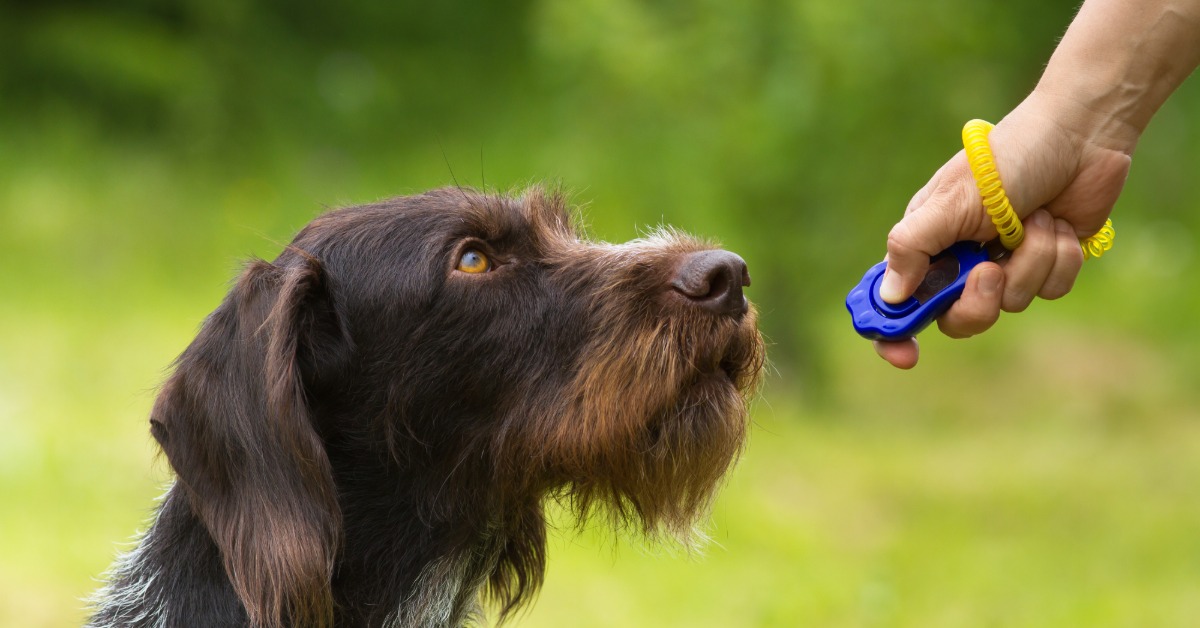
Effective training keeps dogs engaged through clear feedback and meaningful rewards. Different dogs value different motivators, so experienced trainers adjust techniques to fit the individual rather than forcing one approach for every case. Some dogs eagerly work for food, while others respond more enthusiastically to play or praise delivered at the right moment. Matching motivation to the dog encourages faster understanding without creating confusion.
Training sessions should end before mental fatigue reduces performance. Brief, focused practice often produces stronger results than long sessions that leave dogs frustrated. Ending on a successful repetition also helps dogs approach the next lesson with confidence and willingness to participate.
Choosing Professional Training
Selecting the right trainer plays a major role in both your dog’s progress and your confidence as an owner. A skilled trainer should clearly explain each step, demonstrate proper techniques, and provide guidance that you can apply outside of scheduled sessions.
Effective instruction goes beyond the lesson itself by equipping you with the knowledge and confidence to continue reinforcing behaviors at home. When you work with a professional who communicates well and adapts to your dog’s needs, training becomes more consistent, productive, and rewarding for both you and your dog.
Professional Guidance Makes the Difference
When considering how long dog training takes, remember that lasting success depends more on consistency than the calendar. Every dog progresses at an individual pace, and experienced instruction helps owners avoid common mistakes while building dependable habits.
Balanced K-9 Academy offers private dog training classes tailored to each dog and owner, creating practical solutions that match real-world needs. With patient coaching, regular practice, and personalized support, your dog can develop reliable behavior that lasts well beyond the final lesson. Contact us today to learn more about our dog obedience training options.